
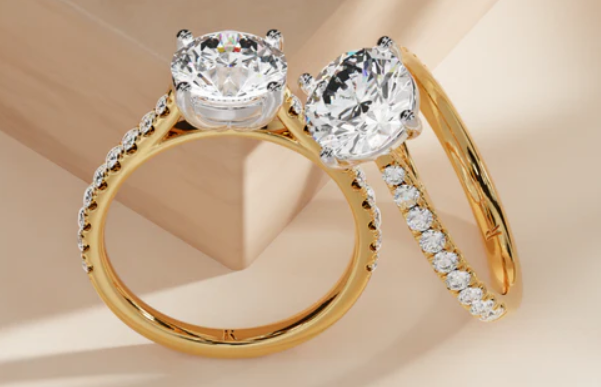
A diamond owner may receive one offer today and a noticeably different one several months later, even though the stone itself has not changed. Its carat weight, color, clarity, and cut remain the same, yet the surrounding market may have shifted.
This is because the price of a pre-owned diamond is shaped by more than its physical characteristics. Consumer demand, available supply, economic confidence, currency movements, business costs, and the buyer’s resale channels can all influence the amount offered at a particular time.
Diamond Quality Is Only the Starting Point
The familiar four Cs remain central to any evaluation. Carat measures weight, color describes how colorless or tinted the stone appears, clarity concerns natural internal and surface features, and cut reflects the proportions and workmanship that influence brilliance.
Shape, certification, condition, and the quality of the setting also matter. However, these features do not operate in isolation. A buyer must consider whether the diamond is likely to attract another customer and how long it may remain in stock before being sold.
For this reason, two businesses can inspect the same diamond and reach different figures without either necessarily misunderstanding its quality.
Consumer Demand Changes Over Time
Market demand refers to how much interest consumers have in a particular product and whether they are ready to purchase it. In the jewelry market, demand can vary according to fashion, lifestyle preferences, economic conditions, and the budgets of potential buyers.
Popular shapes such as round, oval, cushion, emerald, pear, or princess may experience changing levels of attention. A style that attracts strong interest during one period may become less prominent later, while another shape may gain popularity through fashion trends or celebrity influence.
This does not mean that one shape will always command a stronger resale price. Size, quality, condition, certification, and total cost still influence whether a buyer can place the diamond with the right customer.
Supply and Inventory Affect Buyer Interest
Supply describes how many comparable diamonds or pieces of jewelry are available in the market. When buyers already have several similar items in stock, they may have less reason to purchase another immediately.
Inventory can therefore influence an offer. A dealer with many comparable round diamonds may respond differently from a buyer who has an active customer seeking that exact size and quality.
This variation reflects business needs rather than a change in the diamond itself. One buyer may see the stone as useful inventory, while another may expect it to take longer to sell.
Economic Confidence Shapes Luxury Spending
Diamonds and fine jewelry are often discretionary purchases. When consumers feel confident about their income and financial position, they may be more willing to spend on luxury items. During periods of uncertainty, they may delay such purchases or choose more accessible price points.
This can affect how quickly a pre-owned diamond is expected to sell. A buyer who anticipates slower demand may account for a longer holding period and greater uncertainty when preparing an offer.
However, a stronger economy does not automatically increase the value of every diamond. The effect depends on the target customer, the type of jewelry, its price range, and the resale channel being used.
Exchange Rates Can Change Transaction Conditions
Currency movements can influence businesses that buy and sell diamonds across borders. A change in exchange rates may affect purchasing power, import costs, international pricing, and the attractiveness of a transaction to customers using another currency.
An exchange rate does not change a diamond’s carat weight, clarity, or physical beauty. Instead, it changes the financial context in which the diamond is bought and sold.
A buyer serving mainly local customers may experience less direct currency exposure than one selling through international dealers, auctions, or online platforms. This helps explain why the same diamond may receive different offers in different countries or at different times.
Resale Channels Create Different Costs
A buyer must consider what will happen after purchasing the diamond. The stone may be sold through a physical jewelry store, online marketplace, trade network, specialist dealer, or auction.
Each channel carries different costs and expectations. Testing, cleaning, repair, certification, photography, insurance, storage, platform fees, marketing, and customer service may all reduce the amount a business can initially offer.
Time is also a cost. A valuable or unusual diamond may require a specialist customer and remain unsold for an extended period. A more familiar piece at an accessible price may attract a wider audience and sell more readily.
This difference is known as liquidity, meaning how easily an asset can be converted into money. A diamond with broad appeal may be more liquid, but that does not automatically make it more valuable than a rarer stone.
Research Market Information Carefully
Before requesting an evaluation, learning about understanding diamond resale value can help an owner separate the diamond’s quality from the external conditions influencing an offer.
Market research should be used to identify trends and prepare questions rather than establish one fixed selling price. Always consider the date of the information, the country or market involved, the specifications of the diamond, and whether the figure represents a retail price, an asking price, a completed sale, or a direct purchase offer.
A listed price does not confirm that a transaction occurred at that amount. Auction results may also exclude commissions and other costs, meaning the seller’s net proceeds can differ from the published figure.
Certification and Condition Still Matter
A grading report helps confirm the diamond’s measurements, carat weight, color, clarity, and other characteristics. It can make comparisons easier, but it does not protect the resale price from changes in demand, supply, or business conditions.
The current condition must also be considered. Chips, worn prongs, previous repairs, missing side stones, and damage to the setting can affect an offer independently of wider market movements.
Sellers should therefore distinguish between changes caused by the jewelry itself and changes caused by the economic environment.
Why Offers Differ Between Buyers
Every buyer has a different customer base, inventory position, area of expertise, operating cost, and resale strategy. One may specialize in loose diamonds, while another may value branded, vintage, or complete jewelry more highly.
Obtaining more than one offer can help reveal a reasonable range, but the highest number should not be the only consideration. Sellers should also examine the transparency of the evaluation, any fees, the payment method, transaction timing, and the security of the process.
Using the same documents and presenting the jewelry in the same condition at every appointment makes comparisons more meaningful. When figures differ, ask whether the reason relates to diamond quality, current demand, inventory, exchange rates, or the buyer’s intended resale channel.
Market Timing Cannot Be Predicted with Certainty
Waiting for market conditions to change does not guarantee a better result. Consumer demand, exchange rates, fashion trends, and economic confidence can move in unexpected directions.
A diamond should not be treated as though it has one universally quoted price or the same liquidity as cash, shares, or widely traded commodities. Its resale outcome depends on the individual stone, the market, and the buyer available at the time.
The price of a pre-owned diamond is ultimately created by a combination of physical quality and commercial circumstances. Demand, supply, currency conditions, inventory, operating costs, and resale channels can all influence an offer without changing the diamond itself.
A well-informed seller should gather the available grading reports and purchase records, examine the condition of the jewelry, review market information from several sources, and request transparent evaluations. Considering the proposed price together with payment terms, fees, and transaction security provides a more reliable basis for deciding when and where to sell.
